
Wofür werden LCD-Videowanddisplays eingesetzt?
LCD video wall displays are powerful visual communication tools used across many industries. Their ability to present large-scale, high-resolution content makes them ideal for spaces where information needs to be seen clearly, quickly, and by many people at once.
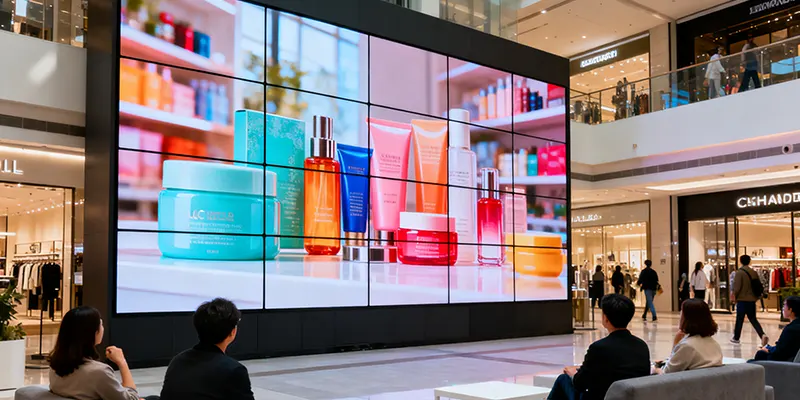
Retail and Commercial Environments
Attracting Customer Attention
LCD video walls use bright, dynamic visuals to stand out in busy commercial spaces. Moving images and videos naturally draw the eye, helping businesses capture attention more effectively than static signage.
Increasing Brand Visibility
Large-format displays allow brands to showcase their identity, promotions, and storytelling in a bold and memorable way. This strengthens brand recognition and leaves a lasting impression on customers.
Improving Customer Navigation
In large commercial areas such as malls or shopping centers, LCD video walls can function as digital directories and wayfinding tools. This helps visitors find stores, services, and facilities more easily, improving overall customer flow and satisfaction.

Advertising and Digital Signage
Indoor Advertising Applications
LCD video walls are powerful tools for indoor advertising due to their brightness and flexibility. Content can be updated instantly, allowing businesses to run targeted and time-based campaigns.
They are commonly installed in high-traffic areas such as malls, airports, and commercial buildings, where they deliver high-impact visual messages that increase brand awareness and audience retention.
Corporate and Business Environments
Corporate Offices and Lobbies
In corporate offices, LCD video walls are often installed in lobbies to display company branding, announcements, and achievements. They create a professional first impression for visitors and clients.
Meeting Rooms and Boardrooms
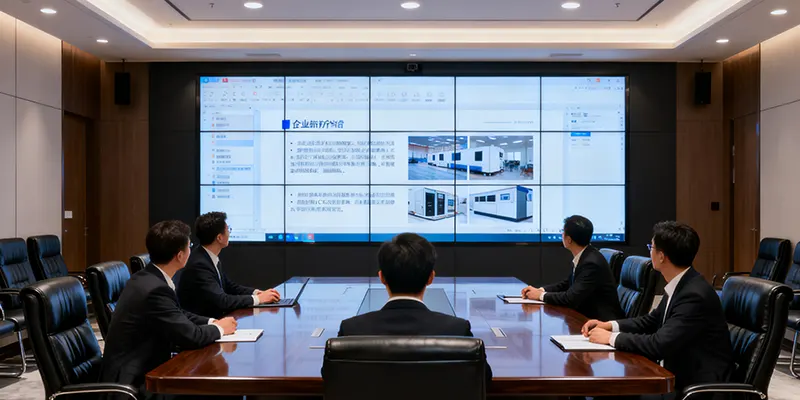
In meeting and conference rooms, video walls support presentations, video conferencing, and collaborative discussions. Large displays allow teams to view charts, dashboards, and reports clearly, improving communication and decision-making.
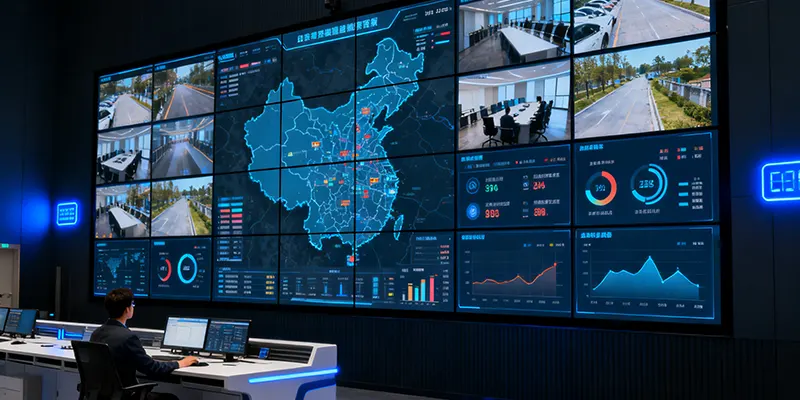
Control and Monitoring Centers
Security and Surveillance Control Rooms
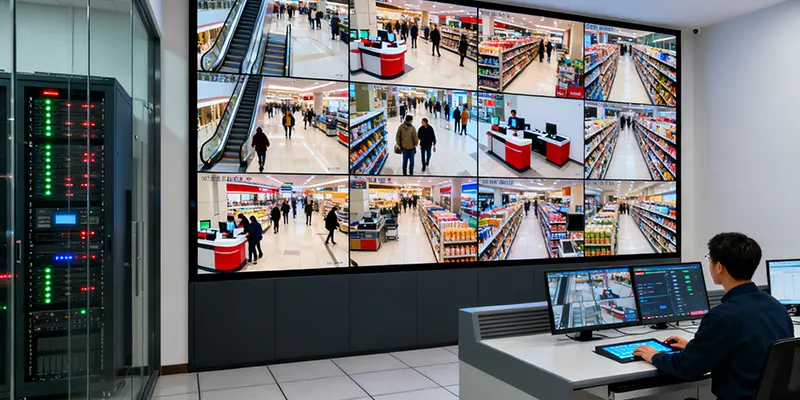
LCD video walls are critical in security and surveillance operations because they allow operators to monitor multiple video feeds simultaneously. Instead of switching between several small monitors, a video wall provides a single, centralized display for all cameras.
Real-Time Monitoring: Security personnel can detect incidents as they happen and respond immediately, reducing potential risks.
Integrated Data Display: Video walls can combine live camera footage with alerts, logs, and other security data, helping operators make informed decisions quickly.
Enhanced Collaboration: Large displays allow multiple team members to view the same information simultaneously, improving coordination in emergency situations.
Traffic, Utility, and Emergency Centers
Traffic control centers, power plants, and emergency operation rooms use video walls to monitorSystemstatus, Datenfeeds und Warnmeldungen. Diese zentrale Ansicht hilft Teams, schnell und effizient auf Vorfälle zu reagieren.
Transport- und Reiseeinrichtungen
Flughäfen, Bahnhöfe und Busbahnhöfe
LCD-Videowände werden häufig in Verkehrsknotenpunkten eingesetzt, um Fahrpläne, Einstiegsinformationen, Wegbeschreibungen und Notfalldurchsagen anzuzeigen. Große Bildschirme gewährleisten gute Sichtbarkeit auch in überfüllten und lauten Umgebungen.
Sie dienen außerdem als Werbeplattformen, die zusätzliche Einnahmen generieren und gleichzeitig die Reisenden auf dem Laufenden halten.
Abschluss
LCD-Videowände sind vielseitige visuelle Lösungen, die im Einzelhandel, in Unternehmen, im Transportwesen, im Gesundheitswesen, im Bildungsbereich, in der Unterhaltungsbranche und im öffentlichen Sektor eingesetzt werden. Dank ihrer Fähigkeit, großflächige, qualitativ hochwertige und dynamische Inhalte darzustellen, haben sie sich zu einem unverzichtbaren Werkzeug für moderne Kommunikation, Interaktion und Informationsaustausch entwickelt.
Angebotsanfragen
1. Welcher Typ von LCD-Videowand eignet sich für Einzelhandels- und Einkaufszentrumsumgebungen?
Empfohlen wird eine 3×3- oder 4×4-LCD-Videowand mit schmalem Rahmen, 55- oder 65-Zoll-Panels und 4K-Auflösung. Sie sollte brillante Bilder, dynamische Inhalte und digitale Wegeleitsysteme unterstützen, um Kunden anzulocken und die Kundenbindung im Geschäft zu verbessern.
2. Welche Anforderungen müssen an eine Videowand in einem Konferenzraum eines Unternehmens gestellt werden?
Eine 2×2- oder 3×3-LCD-Videowand mit Full-HD- oder 4K-Auflösung, schmalem Rahmen und einem Videowandprozessor für Präsentationen und Videokonferenzen. Das System sollte sich nahtlos in PCs, Laptops und Konferenzsoftware integrieren lassen.
3. Welcher Typ von LCD-Videowand wird für einen Sicherheits- oder Überwachungskontrollraum benötigt?
Eine 4×4- oder größere LCD-Videowand mit schmalem Rahmen und 4K-Auflösung, die mehrere Live-Kamerabilder integrieren kann. Das System muss Echtzeitüberwachung und die gleichzeitige Anzeige mehrerer Eingänge unterstützen.